BibleGamesHub

Free Bible Games for Kids Online

Choose free Bible games for ages 6–12 by reading level, attention span, and Bible familiarity—with short rounds, large controls, and an adult-help plan.

Ages
6–12
Group size
1–20
Typical play
5–15 min
A church group of adults, teenagers, and children playing a Bible game together

Start with the child, not the age label

Two eight-year-olds may need very different games. One may read independently but know few Bible stories; another may recognize Noah, Moses, David, and Jesus but still need every clue read aloud. Choose the amount of reading and adult help before choosing the topic.

For a first round, use one familiar story and set a clear stopping point: five questions, one puzzle, or ten minutes. When the game reveals a reference, read one short passage together. That keeps success connected to understanding rather than speed or a perfect score.

Choose by reading level

Ages 6–12 need different kinds of help

Age is a starting point, not a strict rule. Move up or down depending on reading confidence and familiarity with Bible stories.
Ages 6–7

Read aloud and play together

Use Easy mode, familiar people, and 5–8 minute rounds. An adult or older child should read every clue and choice.

Ages 8–9

Independent or paired play

Use familiar story collections for 8–12 minutes. Let children read, choose, and explain one answer with a partner.

Ages 10–12

Add challenge and references

Mix Easy and Medium questions for 10–15 minutes, then ask players to locate one supporting Bible passage.

Plan a child-friendly round

Use these practical checks before opening the first round.

01

Start familiar

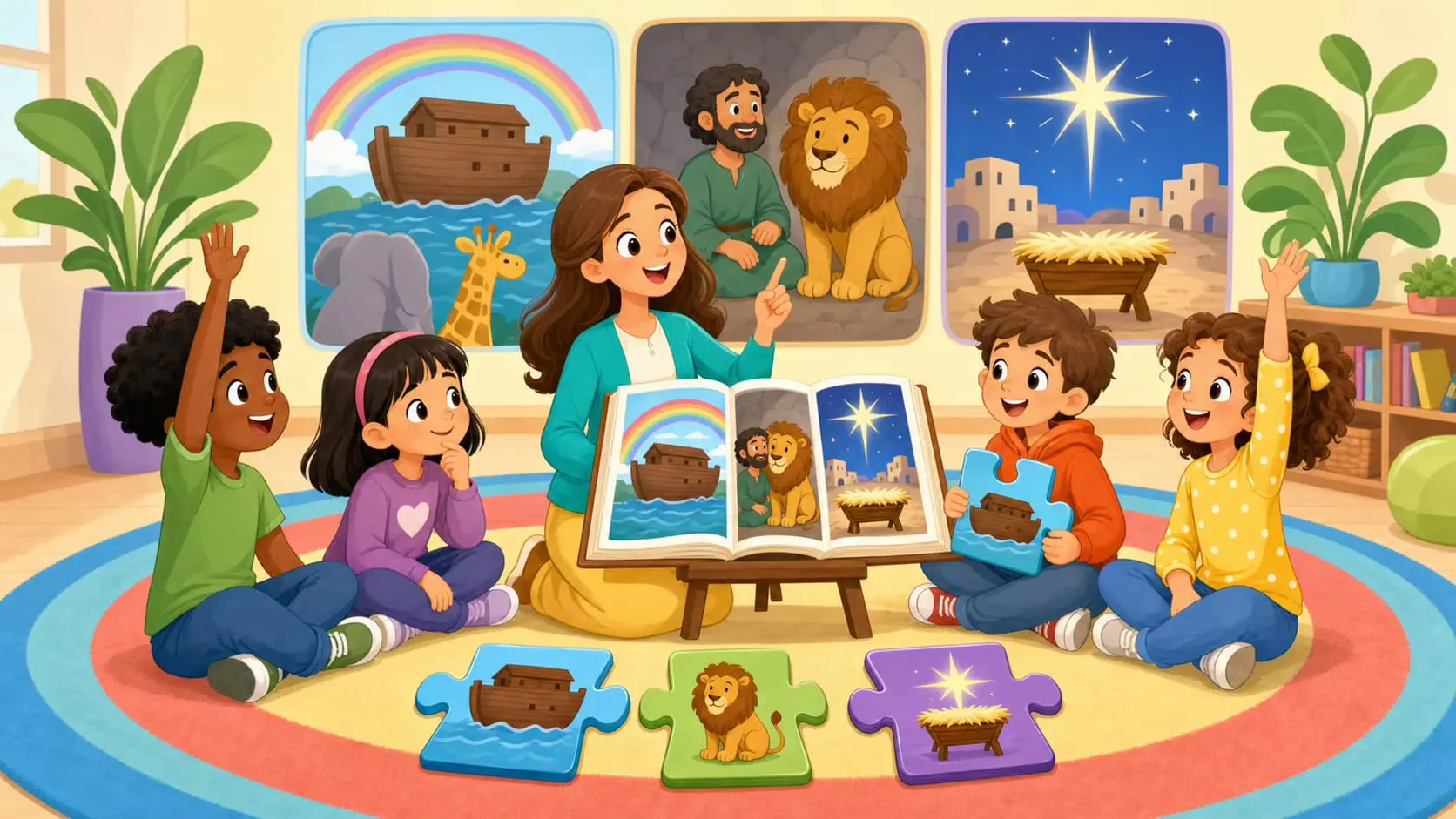
Choose creation, Noah, Moses, David, Jesus, or the books of the Bible before introducing lesser-known names.

02

Keep turns short

Five- to fifteen-minute activities make it easier to stop for a question or explanation.

03

Read answers aloud

Use the reference and short explanation after each answer instead of focusing only on the score.

04

Let children cooperate

Pair younger readers with an older child or adult when clues contain unfamiliar words.

Choose a kids’ Bible game in three checks

  1. 1

    Check the reading load

    Decide whether the child can read alone, needs occasional help, or needs every clue and option read aloud.

  2. 2

    Choose one familiar anchor

    Begin with a person or story the child already recognizes, then introduce one new detail through the explanation.

  3. 3

    Set a small finish line

    Name the stopping point before play: one level, five questions, one verse, or ten minutes.

Why these recommendations

Why these five games are suitable for children

Each recommendation was checked against the live controls, wording, round length, feedback, and amount of adult help the game currently requires.
  • Readable actionA child should be able to see what to tap, drag, choose, or say without learning several rules first.
  • Adjustable supportAn adult can read aloud or play alongside a child without taking over every decision.
  • Short completionThe child can reach a visible result within roughly five to fifteen minutes.
  • Specific feedbackThe game explains the answer or reveals the related story instead of showing only right or wrong.
  • Low-pressure replayChildren can try again, cooperate, or practice without a public leaderboard or account.

Kids Bible games FAQ

Answers for parents, caregivers, and children choosing a first game.

Are these Bible games for kids free?

Yes. Every recommended game opens in a web browser without payment or an account. Progress for some activities is saved only on the current device.

Can a child play on a phone or tablet?

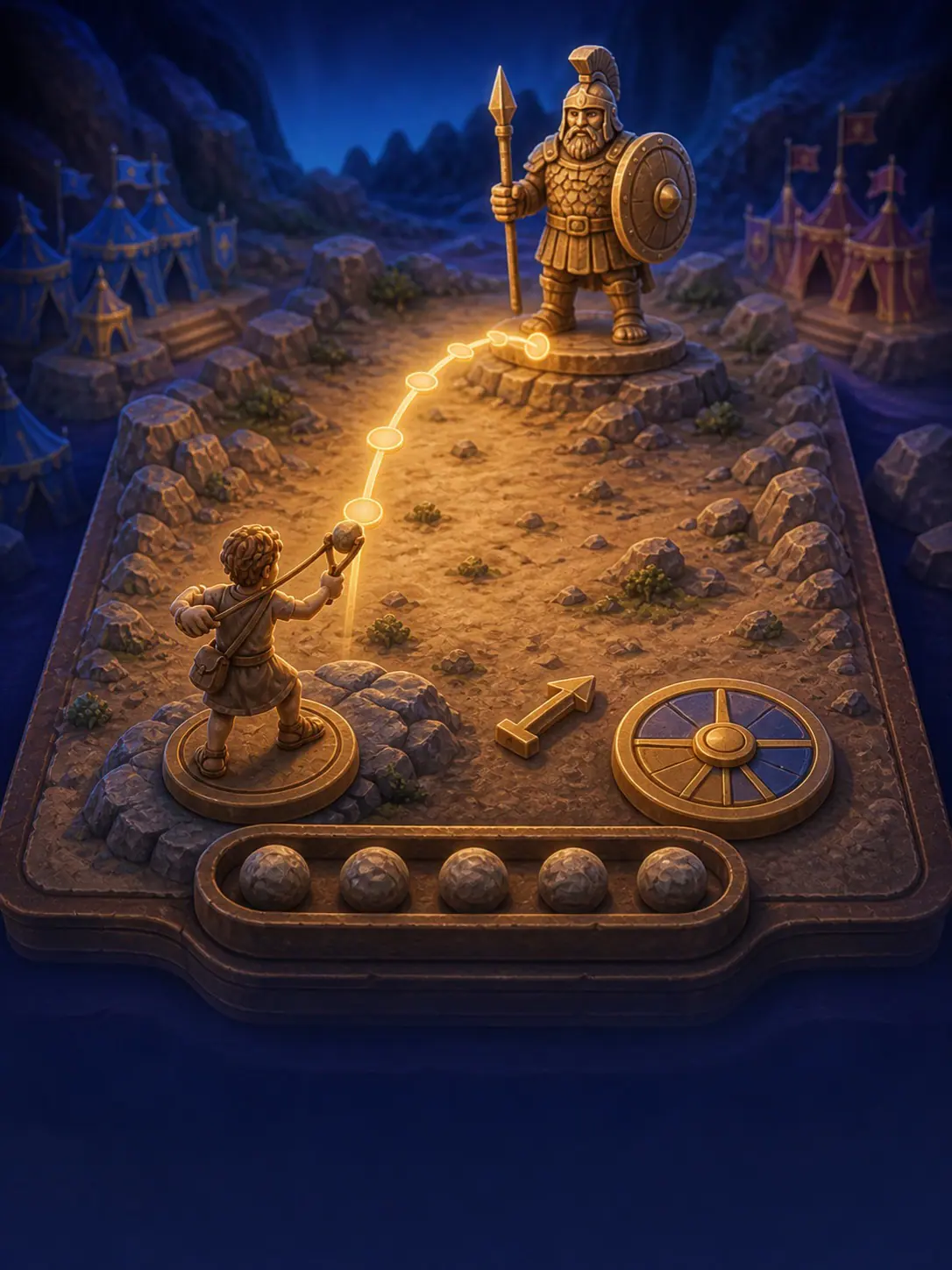
Yes. Word Search, Memory Game, Who Am I, the kids quiz, and the David and Goliath game work on touch screens. A larger tablet is easier when an adult and child are reading together.

Which Bible game should a child try first?

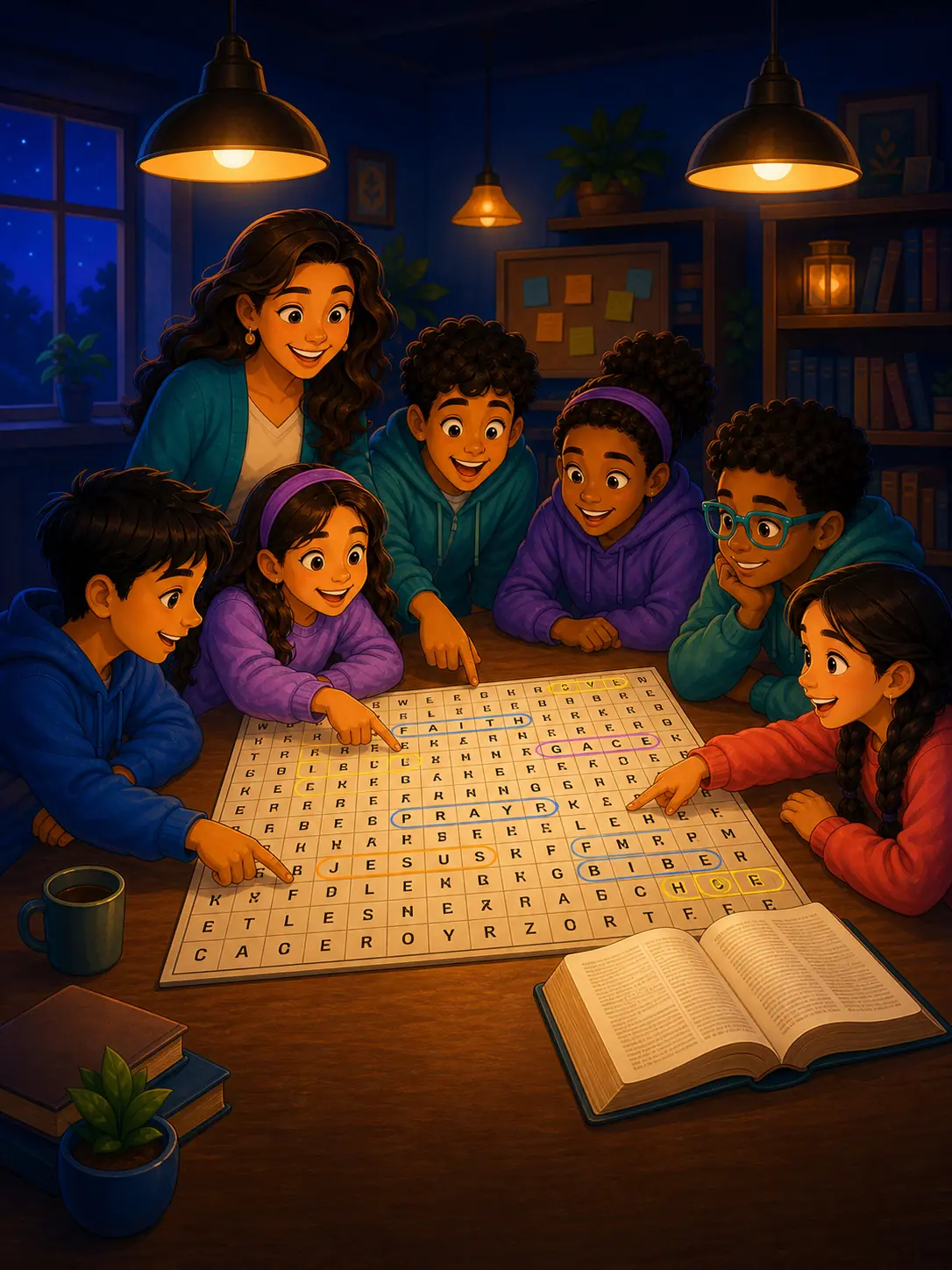
Bible Quiz for Kids is a strong starting point for familiar questions. Bible Word Search works well for quieter play, while Bible Bingo is useful when several children are playing together.

What ages are these Bible games for?

The recommended starting range is roughly ages six to ten, but reading level and Bible familiarity matter more than age alone. Easy modes and adult help can support younger players.

Can siblings of different ages play together?

Yes. Choose an untimed or team format, allow discussion, and let younger children handle familiar clues while older players read references and harder questions.